01
Domestication
We study the diversity already present in local wild plants and ask how quickly it can become useful for agriculture.
Research group · University of Copenhagen
We study how evolution, specialized metabolism and bioengineering can help turn local wild species into resilient crops.
THE BIG QUESTION
How do useful traits arise in wild plants, and how can that knowledge guide domestication?
RESEARCH FOCUS
We study the diversity already present in local wild plants and ask how quickly it can become useful for agriculture.
We uncover the chemistry that shapes plant defence, food quality and ecological adaptation.
We connect genomics, metabolomics and functional biology to test ideas directly in plants.
FLAGSHIP PROJECT
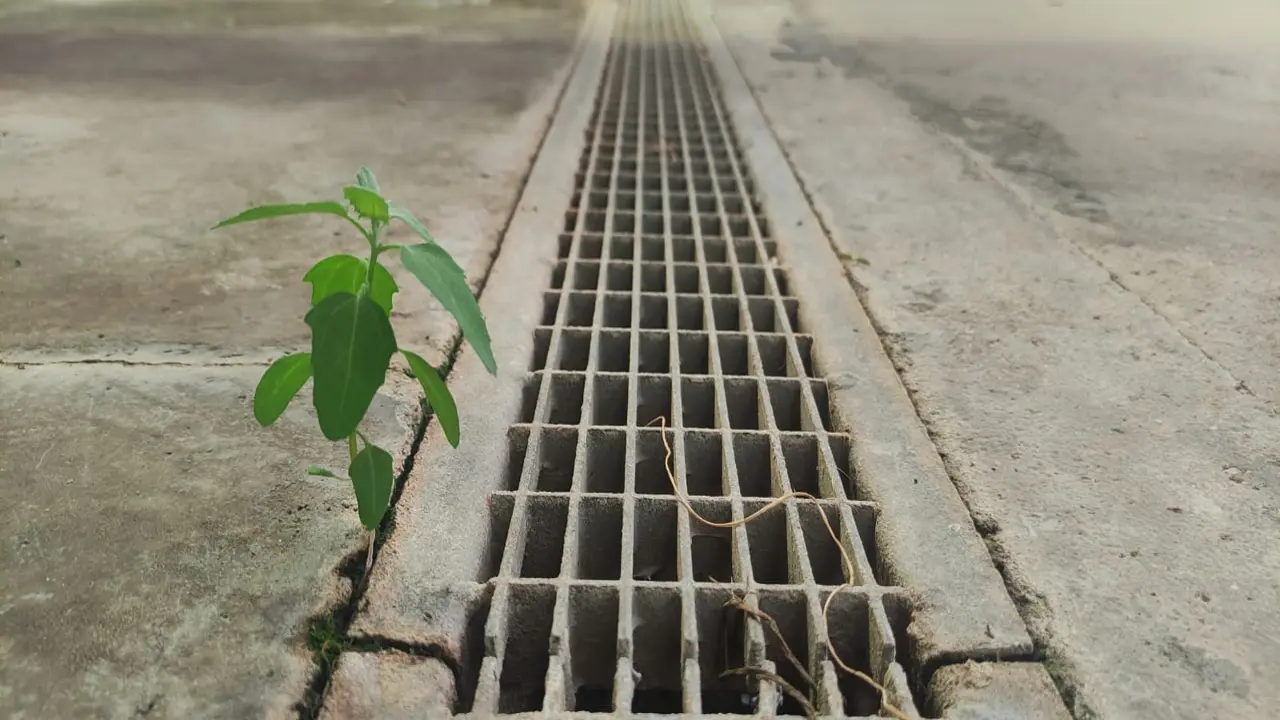
White goosefoot (Chenopodium album) is widespread, nutritious and remarkably diverse. Our work follows it from Danish landscapes to field trials, molecular pathways and the first steps of domestication.
Follow the project ↗HIGHLIGHTS
Alexandra Sanfeliu Meliá received the best poster prize at the Seeds of Resilience Conference 2026. Her poster explored how natural diversity and genomics can unlock the crop potential of Chenopodium album.
About the conference ↗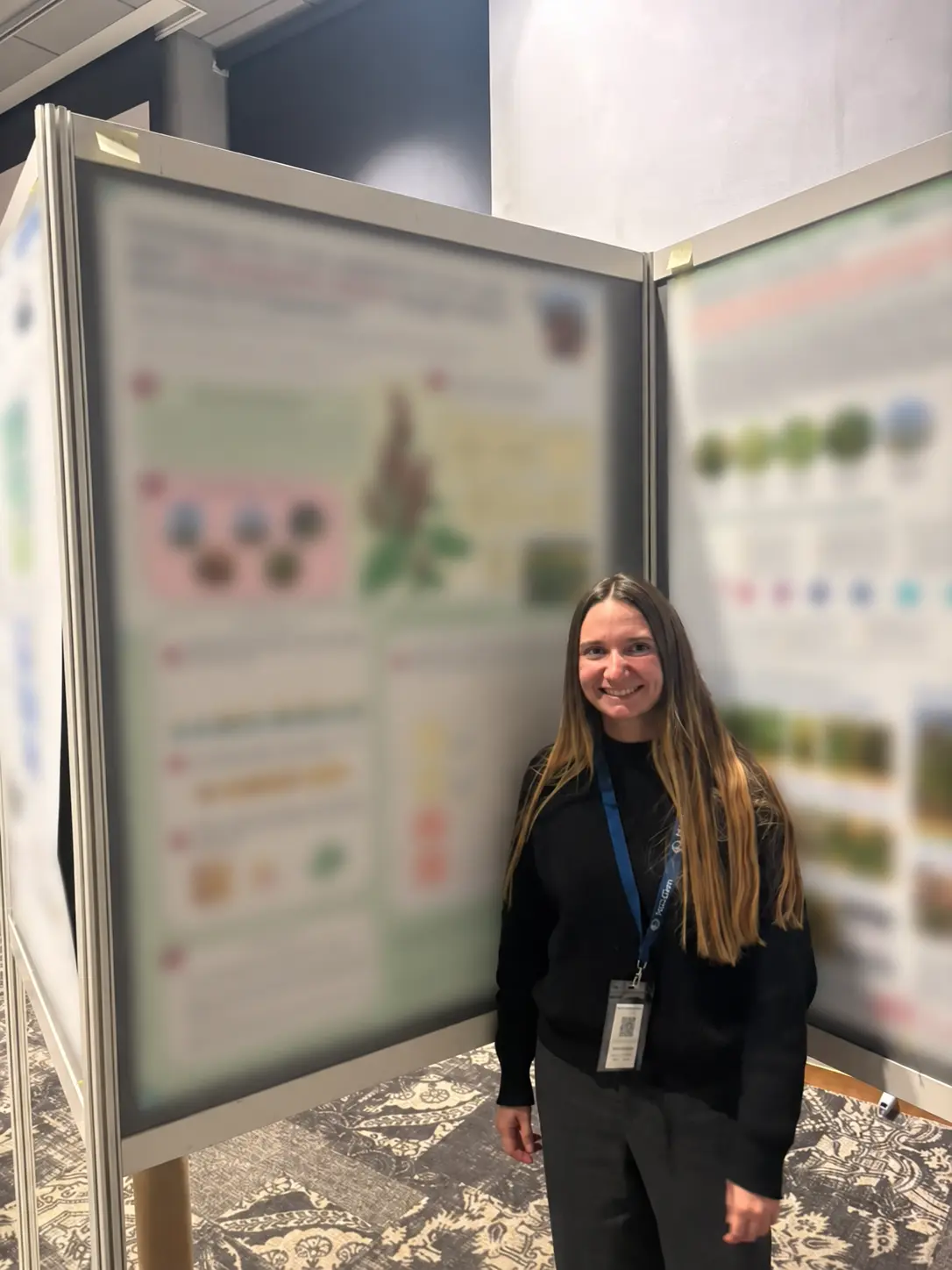
Plantae highlighted our review From wild to tamed: Reimagining novel crops through omics and local plant diversity, which makes the case for domesticating promising wild plants directly.
Read the featureThe fellowship supports PLANTAI, combining multi-omics, machine learning and breeding to accelerate Chenopodium album domestication.
View Kate’s fellowshipHOW WE WORK
Collect, observe and measure plants in their local context.
Link genomes, metabolites and traits to discover what matters.
Use transformation and bioengineering to move from discovery to cause.
Translate insight into plants that could contribute to more resilient food systems.
LET'S CONNECT
We are always interested in thoughtful collaborations across plant science, chemistry, breeding, data and food science.
Contact Pablo ↗